

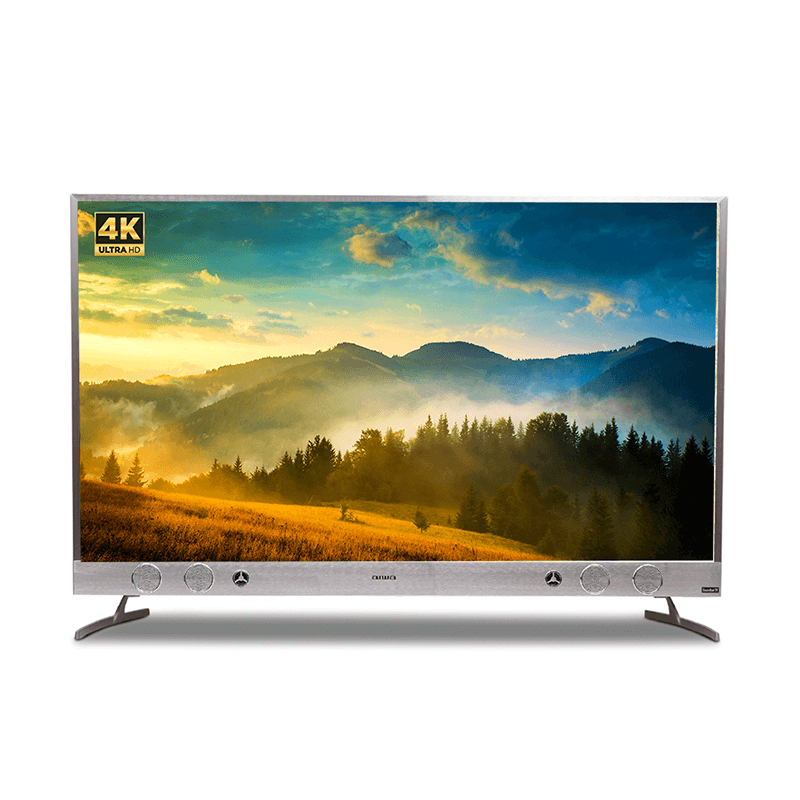
 TV
TVTHANKS FOR VISIT OUR "NRB SHOP"
-12%

5 KW Growatt Off Grid Hybrid Inverter
Original price was: ৳ 56,000.৳ 49,000Current price is: ৳ 49,000.
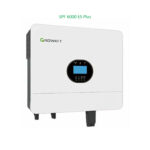
Growatt SPF 6000 ES Plus Off-Grid Inverter
Original price was: ৳ 71,000.৳ 62,000Current price is: ৳ 62,000.
630 Watt Tiger Neo Solar Panel (Jinko Brand)
Original price was: ৳ 16,500.৳ 14,500Current price is: ৳ 14,500.
- Product: Tiger Neo 66HL4M-BDV 605-630W Solar Pane
- Brand: Jinko
- Cell Type: N -type Mono-crystalline
- Dimensions: 2382×1134×30 mm
- Weight: 32.4 kg
- Maximum Power ‒ Pmax [Wp]: 630W
- Module Efficiency: 22-23 %
- Contact us for more details or availability 01722080000 (WhatsApp)
Description
Unlocking Peak Performance: An In-Depth Review of the Jinko Tiger Neo N-Type TOPCon 605-630W Solar Panel
Solar power needs keep growing. Utility projects demand panels that pack more punch per square foot. Home setups on a big scale want the same reliability without extra hassle. That’s where the Jinko Tiger Neo N-Type TOPCon 630W solar panel shines. This bifacial beast from Jinko’s Tiger Neo series shakes up the market with its high output and tough build. It fits right into large utility farms and oversized residential arrays.
N-Type TOPCon tech marks a clear jump from old P-Type PERC panels. N-Type uses different doping to cut down on light and potential issues that eat away at power over time. You get less fade in the first year and better gains from light bouncing off the ground. This review breaks down the 630W model’s tech specs, real-world output, and fit for big jobs. We’ll cover why it lowers costs and boosts long-term returns.
Jinko Solar Tiger Neo 630W Half Cut Silver Frame Bifacial Dual Glass (JKM630N-66HL4M-BDX)
Section 1: Technical Deep Dive into Jinko Tiger Neo N-Type Architecture
Understanding N-Type vs. P-Type Cells
N-Type cells start with silicon doped using phosphorus. This setup blocks common flaws better than boron-based P-Type cells. You end up with panels that hold power steady even after years in the sun.
P-Type cells often lose 2-3% right away from light exposure. N-Type drops that to under 1%. Plus, they fight off voltage stress that hits during storms or grid ties. Think of it like a stronger shield against daily wear.
These perks mean your Jinko 630W solar panel keeps humming longer. No big surprises in output drops early on.
Key Features of the 630W Module Design
The Jinko Tiger Neo 630W uses 132 half-cut cells in a sleek layout. It measures about 2384 by 1303 by 33 mm, making it a solid fit for ground mounts. Weight sits at 33.5 kg, easy for crews to handle on big sites.
Efficiency hits 22.5%, well above the 20-21% norm for similar sizes. Max voltage runs at 1500V, perfect for stringing many panels without extra boxes. Frame comes in silver or black, with options for frameless edges in some builds.
Current output tops 15.7 amps under peak sun. That lets you wire simpler setups. All these traits make the Jinko 630W solar panel a smart pick for scaling up fast.
Bifacial Technology and Energy Yield Gains
Bifacial design on the Tiger Neo catches light from both sides. The back glass or clear sheet lets up to 80% of reflected rays add to your total power. In fields with white gravel or snow, you might see 10-30% more energy than front-only panels.
Ground reflection, called albedo, plays a big role. A 20% albedo site boosts yield by 15% or so with this Jinko 630W model. It shines in open areas where trackers tilt panels to grab more bounce-back light.
You save on land use too. Fewer panels cover the same space while pulling in extra juice. That’s a win for utility owners watching every dollar.
Section 2: Performance Metrics and Industry Benchmarking
Analyzing Power Output and Efficiency
At 630 watts peak, this panel cuts the number needed for a megawatt system. You might use 1,587 units instead of 1,800 lower-watt ones. That means less clutter and quicker installs.
Efficiency of 22.5% stands out against 21% averages in large modules. It turns more sunlight into usable electricity per inch. For a 10 MW farm, that’s like adding 50 extra panels’ worth without more space.
Real tests show it holds that rating in varied weather. Hot days or clouds don’t hit as hard. The Jinko Tiger Neo N-Type TOPCon 630W solar panel proves its worth in output math alone.
Temperature Coefficient and Low-Light Performance
Heat cuts power in most panels, but N-Type TOPCon fights back. The Jinko 630W loses just 0.29% per degree above 25°C. That’s better than the 0.35% from PERC types in scorching spots like deserts.
In low light, say dawn or dusk, it keeps pulling 95% of rated power at 200 watts per square meter. Shaded edges matter less thanks to half-cut cells splitting the load. You get steady flow even when full sun hides.
Hot climates love this edge. A site in Texas might gain 5% yearly output over rivals. It keeps your bills low year-round.
Degradation Rates and Long-Term Reliability
Jinko backs the 630W with a first-year loss of under 1%. After that, it drops just 0.4% per year through year 30. Most panels hit 0.55% annual fade, so this saves big on lifetime energy.
By year 25, expect 87.4% of original power. That’s above the 80% industry floor. Banks love these numbers for loan math on solar farms.
Salt mist and ammonia tests pass with flying colors. It holds up in farms near coasts or farms. The Jinko Tiger Neo N-Type TOPCon series builds trust through hard data.
Section 3: Application Suitability for Utility and Large-Scale Projects
Optimizing BOS Costs in Solar Farms
Higher wattage like 630W trims Balance of System expenses. You need fewer racks and bolts per MW. Labor drops 20% since crews mount less hardware.
Wiring simplifies too. Shorter runs mean thinner cables and fewer inverters. Total BOS savings can hit 10-15% on big builds.
For a 50 MW project, that’s real cash back in your pocket. The Jinko 630W solar panel makes scaling cheaper and faster.
- Cut mounting parts by 15%.
- Reduce cabling by 12%.
- Speed up setup time overall.
Integration with Advanced Tracking Systems
Single-axis trackers pair great with bifacial Jinko panels. They tilt to chase the sun and amp up rear-side gains. On flat land, expect 25% more yield than fixed setups.
The module’s strength handles tracker twists without flex. Wind gusts up to 2400 Pascals won’t budge it. You cover vast acres with peak capture.
Large projects in sunny states like California thrive here. Trackers plus N-Type tech push returns higher. It’s a match that pays off quick.
Case Study Context: Utility-Scale Deployment Considerations
Design perks shine in utility spots. High density means more power per acre, key for tight budgets. A Midwest farm layout with Jinko 630W units fits 1.2 MW per hectare.
Energy models predict 2,200 kWh per kW installed yearly. That’s from bifacial boosts on tracker fields. Real sites report 10% over forecasts thanks to low fade.
Owners pick this for land limits. It squeezes max juice from every plot. The Jinko Tiger Neo N-Type TOPCon 630W solar panel turns space into steady income.
Section 4: Installation, Durability, and Warranty Structure
Mechanical Load Ratings and Environmental Resistance
This panel takes 5400 Pascals snow load front. Wind hits 2400 Pascals from any side. Glass-glass build shrugs off hail up to 25 mm.
High altitudes or salty air? No sweat. It passes IEC tests for fire and UV wear. Tough frame locks in cells for decades.
You install worry-free in rough spots. Mountains or beaches, it stands firm.
Installation Best Practices for High-Wattage Modules
Handle the 630W with care—it’s hefty at 33 kg. Use lifts for safe lifts on big arrays. Rack systems must span full width to avoid stress points.
Wire for 1500V strings, but check connector torque at 20 Nm. Space panels 5-10 cm apart for airflow. That keeps heat down.
Pro tip: Align bifacial backs toward reflective ground. Ground covers like white stones boost gains. Follow these, and your setup runs smooth.
- Secure frames to approved mounts.
- Test strings before full tie-in.
- Clean edges post-install for max light.
Comprehensive Warranty Breakdown
Jinko offers 12 years on the product itself. No cracks or delams covered. Performance hits 98.5% after year one, then 87.4% at 25 years.
That’s stronger than the usual 25-year 80% line. N-Type proves its keep in these terms. Investors count on it for solid payouts.
Extended options reach 30 years in some markets. It shows faith in the tech. You bet on power that lasts.
Conclusion: The Strategic Advantage of the Jinko 630W TOPCon
The Jinko 630W solar panel packs high density and low fade into one tough package. N-Type TOPCon cuts BOS hits and lifts yields with bifacial smarts. It outpaces rivals in hot spots and over time.
This model drops your Levelized Cost of Energy for utility gigs. Fewer panels mean less upkeep and more green from the grid. It’s a forward move for power pros.
Pick the Jinko Tiger Neo N-Type TOPCon 630W solar panel to lock in gains. Check specs for your site and start planning your next big array today.
Shipping & Delivery
More Products
-13%
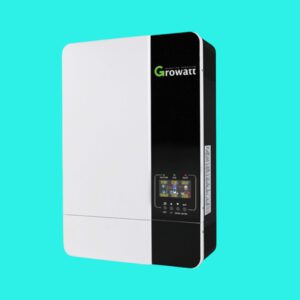
5 KW Growatt Off Grid Hybrid Inverter
Original price was: ৳ 56,000.৳ 49,000Current price is: ৳ 49,000.
-13%
3.5 KW Growatt Off Grid Hybrid Inverter
Original price was: ৳ 46,000.৳ 40,000Current price is: ৳ 40,000.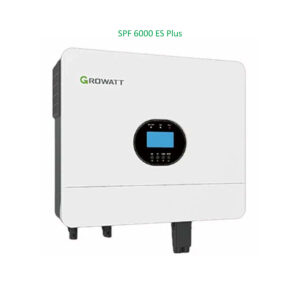
-13%
Growatt SPF 6000 ES Plus Off-Grid Inverter
Original price was: ৳ 71,000.৳ 62,000Current price is: ৳ 62,000.Related products
-13%
3.5 KW Growatt Off Grid Hybrid Inverter
Original price was: ৳ 46,000.৳ 40,000Current price is: ৳ 40,000.
-13%
5 KW Growatt Off Grid Hybrid Inverter
Original price was: ৳ 56,000.৳ 49,000Current price is: ৳ 49,000.
-13%